Free shipping over $50!

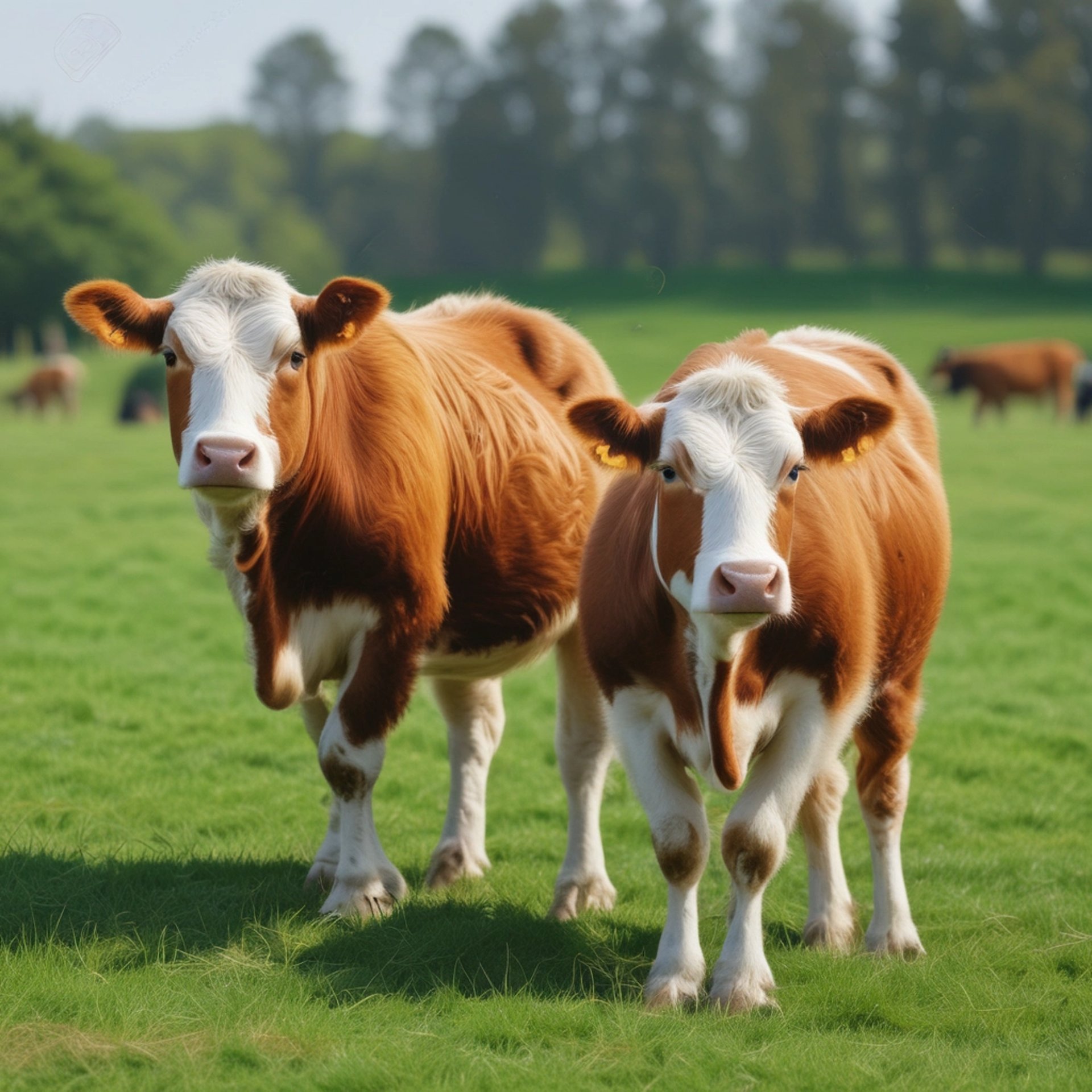
The Most Common Skin Issues in Horses, Dogs & Livestock — and How to Support Them Naturally
Animals of all sizes deal with many of the same everyday skin challenges: sweat, friction, odor, moisture buildup, and environmental irritation. Whether you care for a hard-working horse, a sensitive dog, or backyard goats, understanding these issues is the first step toward keeping skin comfortable and healthy.
Below, we break down the most common skin problems seen across species — and simple, natural ways to support them.
Sweat & Moisture Buildup
Sweat is a healthy part of temperature regulation, but too much moisture trapped against the skin can lead to discomfort — especially in warm weather or under tack, harnesses, or thick coats.
Common signs:
Damp, sticky skin
Rub marks in sweaty areas
Odor or sour smell
Softening or thinning hair in high-sweat zones
Thickened skin in creases or folds
Where it happens most:
Under saddles and girths (horses, mules, donkeys)
Behind armpits and groin areas (dogs)
Folds and creases (mini pigs, goats, sheep)
Chest, shoulders, and flanks (livestock)
Natural ways to support moisture control:
Keep the area clean and dry after activity
Use breathable grooming powders to absorb excess sweat
Brush regularly to lift dirt and reduce buildup
Provide airflow during warm, humid days
H2: Odor & Skin Freshness Issues
Odor is often caused by a combination of sweat, bacteria, and trapped moisture — especially in hot, humid climates or during exercise.
Animals commonly affected:
Horses during work or turnout
Dogs with thicker or double coats
Goats and sheep around seasonal changes
Mini pigs in warm environments
Support tips:
Regular grooming after activity
Use plant-based powders to neutralize odor naturally
Ensure tack, blankets, and harnesses are fully dry before use
H2: Rain Rot & Fungal-Type Skin Challenges
Rain rot (also known as dermatophilosis) is a moisture-related skin condition most often seen in horses and livestock but can affect other species exposed to wet or damp environments.
Signs include:
Scabby or crusty patches on the coat
Hair clumping or tufting
Tenderness to the touch
Slow-healing spots in high-moisture areas
Supportive care:
Keep the coat clean and dry
Provide shelter during prolonged rain or humidity
Use gentle powders that help reduce friction and moisture around affected areas
Avoid harsh scrubbing, which can irritate the skin
H2: Hot Spots, Sweet Itch & Severe Itchiness
Itching is a common reaction to insects, allergies, or irritation caused by sweat and heat. Horses may experience sweet itch, while dogs often develop localized hot spots.
What it looks like:
Intense scratching or rubbing
Red, inflamed skin
Hair loss or thinning patches
Moist or raw areas
How to help naturally:
Avoid heavy, occlusive ointments in hot weather
Keep the area clean and dry
Use powders that offer a soft, breathable barrier
Reduce exposure to biting insects where possible
H2: Friction, Rubbing & Tack-Related Irritation
Friction occurs when equipment or movement repeatedly rubs against the skin. Over time, this can cause tenderness, hair breakage, or bald spots.
Most common locations:
Girth area
Under saddles
Harness contact points
Chest, neck, and flanks
Skin folds in dogs, pigs, goats, and sheep
Natural friction-support strategies:
Ensure tack and straps fit properly
Keep equipment clean and debris-free
Apply plant-based powders to reduce rubbing and help skin stay comfortable
H2: Skin Folds & Creases in Small Animals & Livestock
Many species have natural folds where moisture and friction accumulate — especially dogs, mini pigs, goats, and sheep.
Common concerns:
Odor
Chafing
Redness
Moisture buildup
Yeasty smell
Support tips:
Keep folds dry and clean
Use gentle grooming powders that reduce friction and moisture
Avoid fragrances or heavy creams in heat
H2: Why Natural, Plant-Based Skin Support Matters
Synthetic fragrances, heavy creams, and harsh additives can sometimes worsen irritation — especially on sensitive or reactive skin. Plant-based powders offer a simple, breathable alternative.
Benefits of gentle, botanical powders include:
Absorb sweat & moisture
Reduce odor naturally
Provide soft glide to minimize friction
Keep skin feeling dry, calm, and balanced
Avoid the heavy, occlusive feel of ointments
Safe for daily use across many species
KindHide™ was created to support exactly these needs — using clean, purposeful ingredients chosen for everyday comfort.
H2: When to Seek Veterinary Guidance
While many mild skin issues can be managed at home, you should reach out to a vet if you notice:
Sudden or severe hair loss
Open wounds
Thick, painful scabs
Spreading or worsening irritation
Persistent symptoms that don’t improve
Natural products can complement care, but they don’t replace professional evaluation when needed.
H2: Simple, Natural Care for Every Hide
Whether you’re supporting a working horse, a family dog, or backyard goats, daily skin comfort matters. By understanding the causes of moisture, odor, friction, and irritation, you can help your animals stay healthy, comfortable, and confident — every single day.
KindHide™ offers gentle, plant-based powders made for exactly this kind of routine comfort, without fragrances, essential oils, or harsh additives.